Before Booking Any Air Conditioning Service, Read This First
If you invest in a high-quality air conditioner from a trusted brand, but when it’s time for installation, you hire an unlicensed technician. One wrong connection or careless fitting could turn that investment into an expensive mistake. Even the best systems lose performance if not installed or serviced correctly.
In Australia, each region has different temperatures and service requirements, so maintenance schedules vary accordingly. That's why Legacy Trade created this guide, to clearly explain what to check before booking any air conditioning service, so your system runs safely, efficiently, and stands the test of time. Too often, people research thoroughly but then hire an unlicensed technician for installation.
The Role of Air Conditioning Services
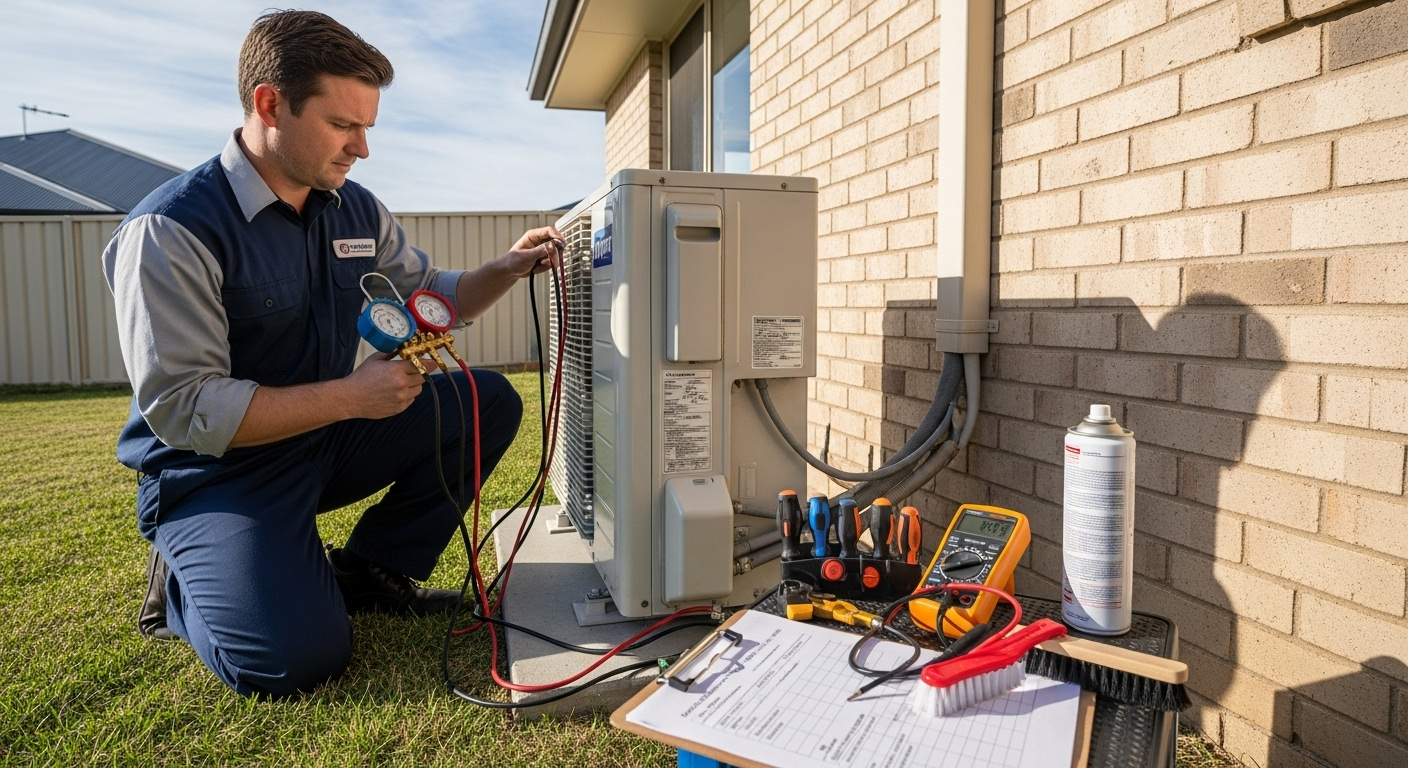
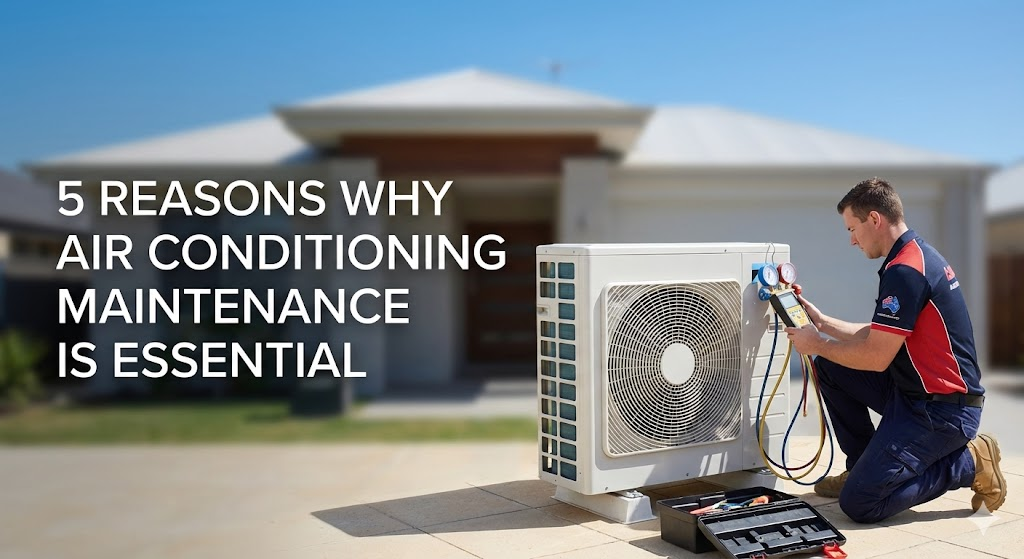
Air conditioning service goes far beyond simple cleaning. A qualified technician inspects, tests, and tunes the system to ensure it runs safely and efficiently.
A standard residential service usually includes:
- Checking refrigerant levels for leaks or overcharging
- Cleaning indoor and outdoor coils to restore airflow
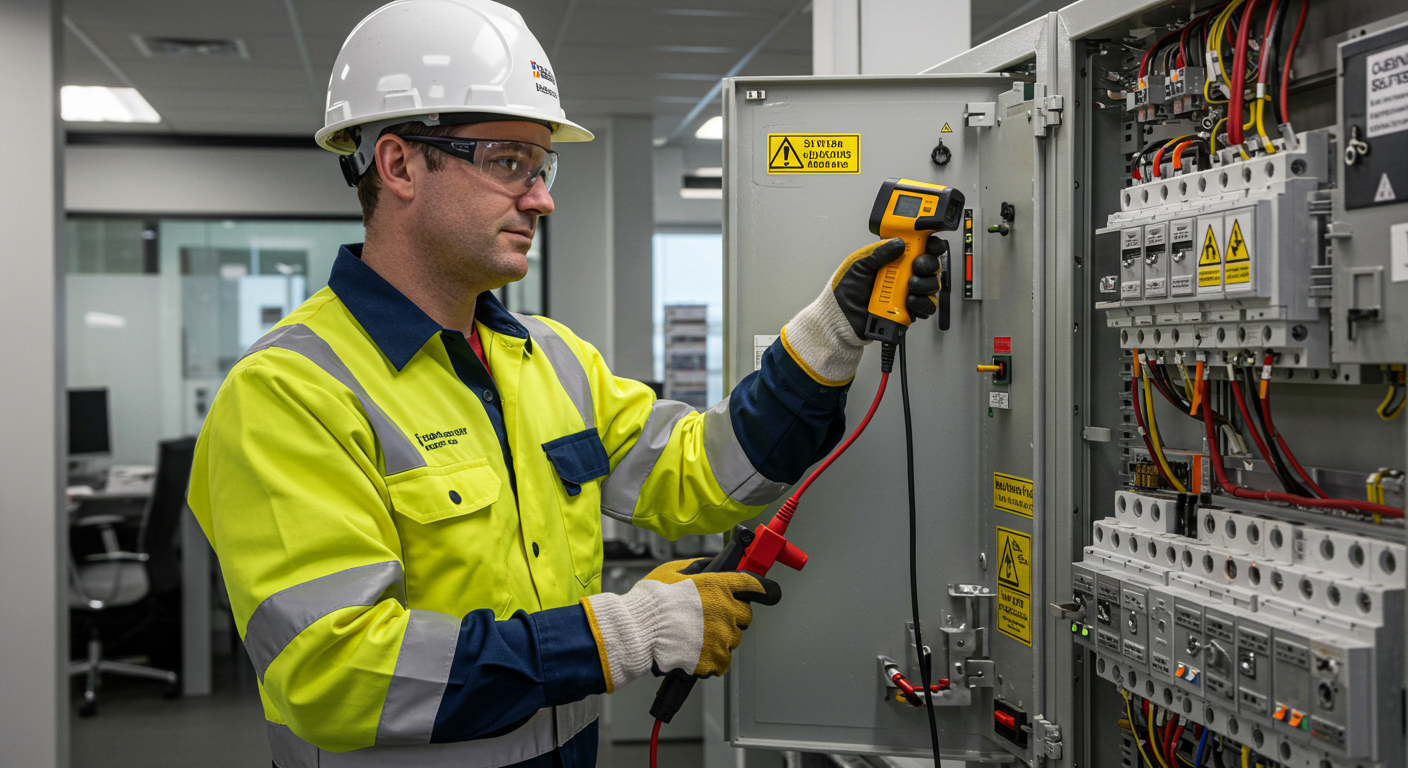
- Testing electrical components and thermostat accuracy
- Clearing drain lines to prevent water buildup
- Measuring system performance to confirm proper cooling or heating
For ducted systems, technicians also inspect the ducts for leaks, balance the airflow, and check the insulation. For evaporative units, they clean the water trays, pads, pump, and fan system.
The Legal and Safety Side
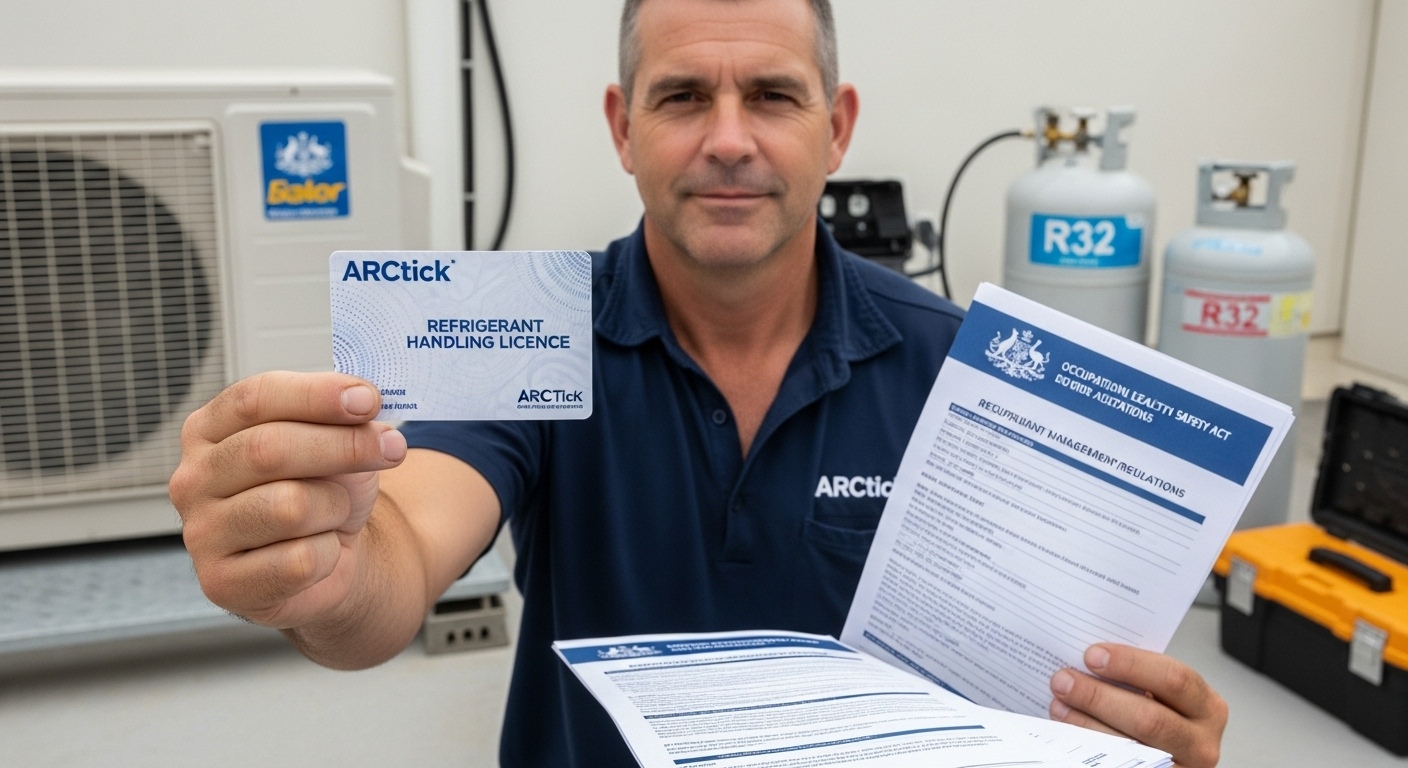
Air conditioning systems use refrigerants that licensed professionals must handle. Australian law requires every technician who installs, services, or repairs an air conditioner to hold a
Refrigerant Handling Licence issued by the Australian Refrigeration Council (ARCtick). Businesses must also have a Refrigerant Trading Authorisation to purchase, store, or dispose of gas.
Always ask to see both licences before booking. A qualified technician will readily show their
ARCtick card, confirming they are authorised to work safely and legally.
Electrical Licensing Matters Too
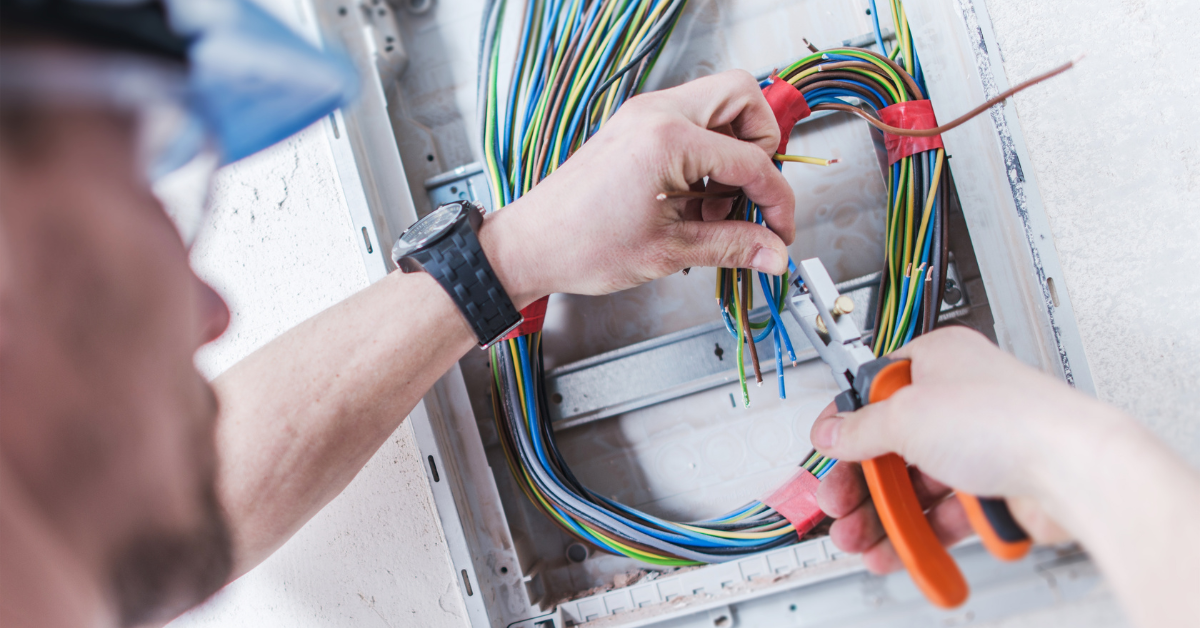
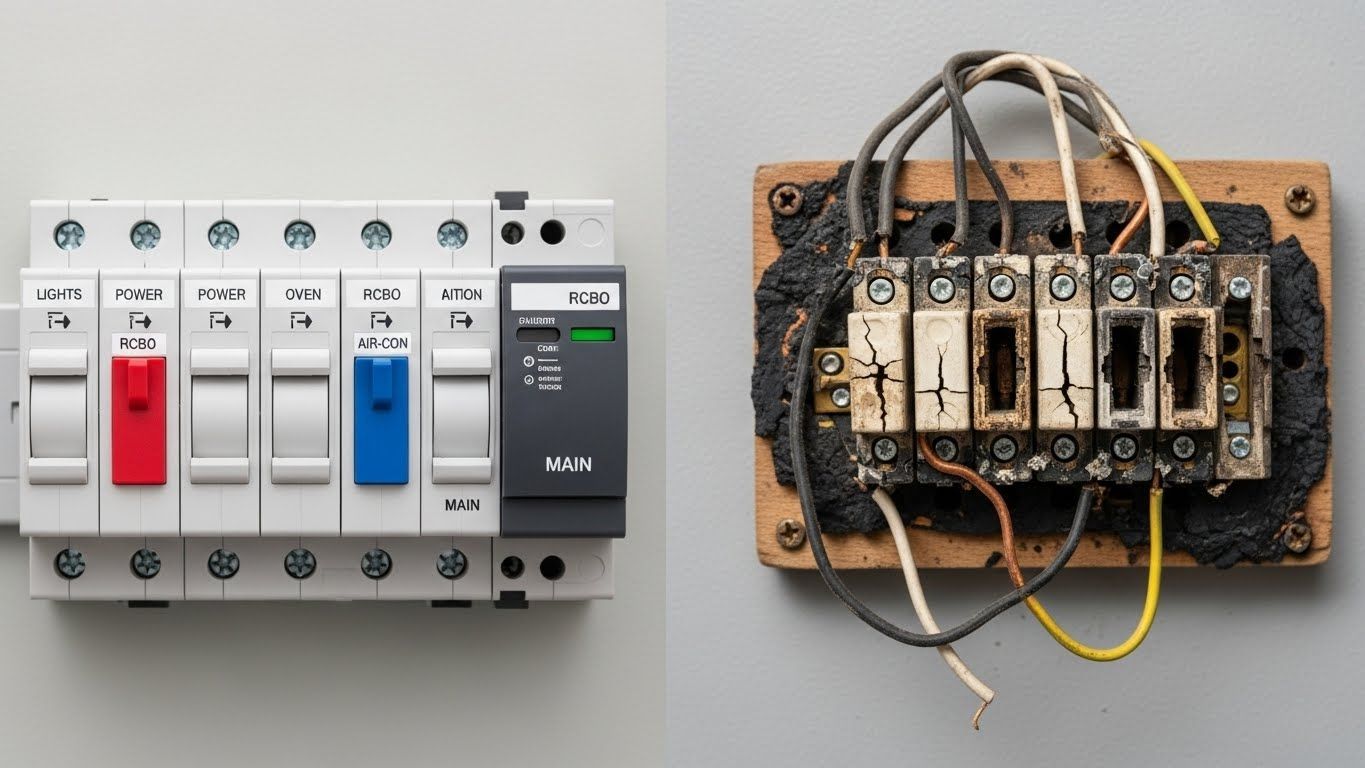
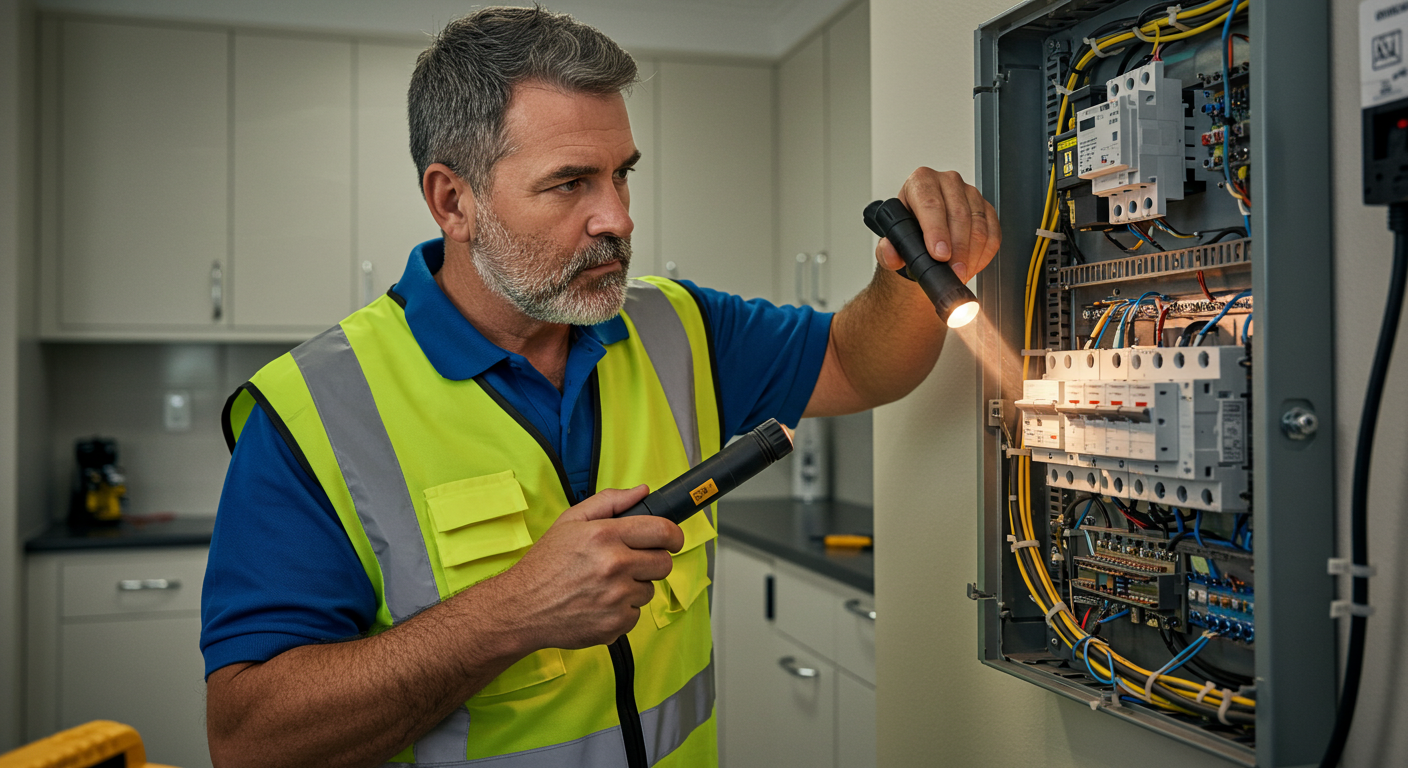
Every air conditioning system connects directly to your home’s electrical supply, so only a licensed electrician is legally allowed to handle the wiring or installation. In some states, air conditioning mechanics also hold electrical licences, but not all do. If not, they must work with a licensed electrician to complete the job. Never trust anyone who says they can “wire it in quickly” without the proper licence; it’s unsafe and illegal.
Refrigerant Safety and Environmental Rules
Australia strictly bans the release of refrigerant gas into the atmosphere. Venting refrigerant is illegal and harmful to the environment, and offenders face heavy penalties. Licensed technicians must recover and recycle all gas using approved equipment.
If your system still uses older refrigerants like R22 (now phased out), your technician should advise on retrofitting or replacing it with a more efficient, low-GWP alternative such as R32.
Noise, Placement, and Council Rules
Many local councils in Australia enforce noise limits for outdoor air conditioning units, especially in densely populated areas. If your system’s outdoor fan exceeds the permitted decibel level at night, it can lead to neighbour complaints or fines. When installing or replacing a unit, always confirm that its placement meets your council’s noise and location regulations.
Getting Value for Your Money
Air conditioning is a long-term investment. The aim isn’t just to get the unit working, but to keep it performing efficiently for years. Choosing the right service and system can make all the difference.
Ask for Detailed Quotes
Always request at least two or three quotes for major work. A professional technician will clearly list what’s included: labour, refrigerant top-ups, parts, and extras such as coil cleaning or drain repairs. Avoid vague “flat-rate” offers that don’t specify what you’re paying for.
Check Energy Efficiency Ratings
When installing a new system, look for the Zoned Energy Rating Label (ZERL). It shows how a unit performs in hot, average, and cold climates, helping you choose one suited to your region. More stars mean lower energy costs, and even a single extra star can cut your annual electricity bill by around 10%.
Understand Running and Maintenance Costs
Running costs depend on your system’s size, efficiency, and usage. A medium split system used for about six hours a day in summer typically costs between $3 and $5 per day, depending on electricity tariffs. Routine maintenance for a standard split system usually ranges from $150 to $300 per year, and regular cleaning helps maintain performance and reduce energy bills.
Use Rebates and Incentives
Many state programs offer rebates for upgrading to energy-efficient air conditioning systems:
- NSW: Energy Saver discounts for approved reverse-cycle installations
- Victoria: Victorian Energy Upgrades program for high-efficiency units
- Queensland:
PeakSmart incentives
(up to $400) for demand-responsive systems
Always confirm eligibility before booking. Accredited installers can usually handle rebate applications on your behalf.
Consumer Rights and Warranties
Under Australian Consumer Law, you're protected when paying for air conditioning products or services. Whether it's a repair or a full installation, both the system and workmanship must be fit for purpose, completed with proper care, and delivered within a reasonable time.
| Aspect | Key Details | Important Notes |
|---|---|---|
| Standard Warranty Coverage | Most new systems include a 5-year manufacturer's warranty on parts and compressors | Valid only if a licensed technician performs installation |
| Warranty Validity | Proper installation by licensed professionals | Unlicensed installation voids the warranty immediately |
| Documentation Required | Receipts, warranty cards, compliance certificates | Keep all documents as proof of compliance and coverage |
| First Step for Issues | Contact your installer first | They're responsible for meeting professional standards |
| Escalation Options | State consumer authority (NSW Fair Trading, Consumer Affairs Victoria) | Use if the issue remains unresolved with the installer |
| Manufacturer Support | Contact the manufacturer directly for warranty claims | Requires a valid warranty and proper documentation |
Choosing a Reputable Provider
A reliable air conditioning company is transparent, licensed, and accountable. Look for providers who:
- Clearly display their ARCtick licence number on quotes and vehicles.
- Provide written, itemised quotes outlining all costs.
- Supply proof of insurance and compliance certificates after completion.
- Are you open to any subcontractors involved in the job?
Check online reviews for background, but rely more on local word-of-mouth recommendations, which often reveal who’s genuinely dependable.
Conclusion
Air conditioning keeps homes comfortable year-round, but performance and reliability depend on the quality of service behind it. Booking blindly or choosing the cheapest option can lead to higher costs, safety issues, and wasted energy later.
Take the time to verify licences, review quotes carefully, and understand what’s included in the job. A well-serviced system runs more efficiently, lasts longer, and saves money over time.
With expert guidance from Legacy Trade, you can make informed choices that protect your investment and ensure lasting comfort.