5 Warning Signs Your Home Has Outdated Electrical Wiring
Have you noticed your lights flickering when you turn on the air conditioner, or caught a whiff of something burning near your power points? These could be more than minor annoyances—they might be old wiring signs that your electrical system is crying out for attention.
For Australian homeowners, particularly those living in properties built before 1990, outdated electrical wiring isn't just an inconvenience; it's a genuine safety hazard that can lead to electrical fires, damaged appliances, and costly repairs. Understanding the warning signs can help you protect your family and your investment.
1. Frequent Circuit Breaker Trips and Blown Fuses
One of the most common old wiring signs is a circuit breaker that constantly trips or fuses that blow regularly. While occasional trips can happen when you've overloaded a circuit (we've all run the kettle, toaster, and microwave simultaneously), frequent occurrences suggest your wiring system can't handle your household's modern electrical demands.
Homes built in the 1960s and 70s were wired for a very different lifestyle. To better understand your home's electrical system and its capacity, it helps to know the basics of how everything works together. According to Energy Safe Victoria, older homes often have inadequate earthing systems and insufficient circuit capacity for today's electrical loads.
What to watch for:
- Circuit breakers that trip when using standard appliances
- The need to reset breakers multiple times per week
- Burning smells near your switchboard
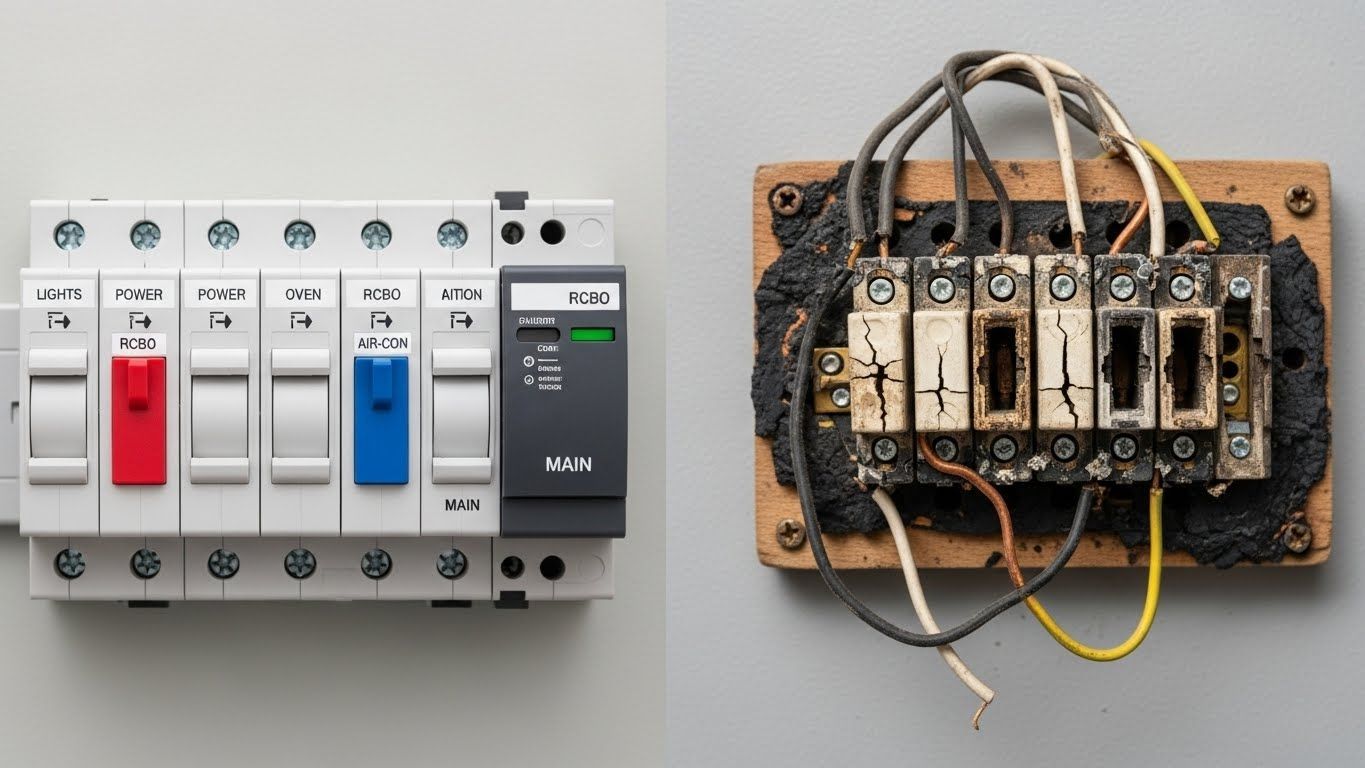
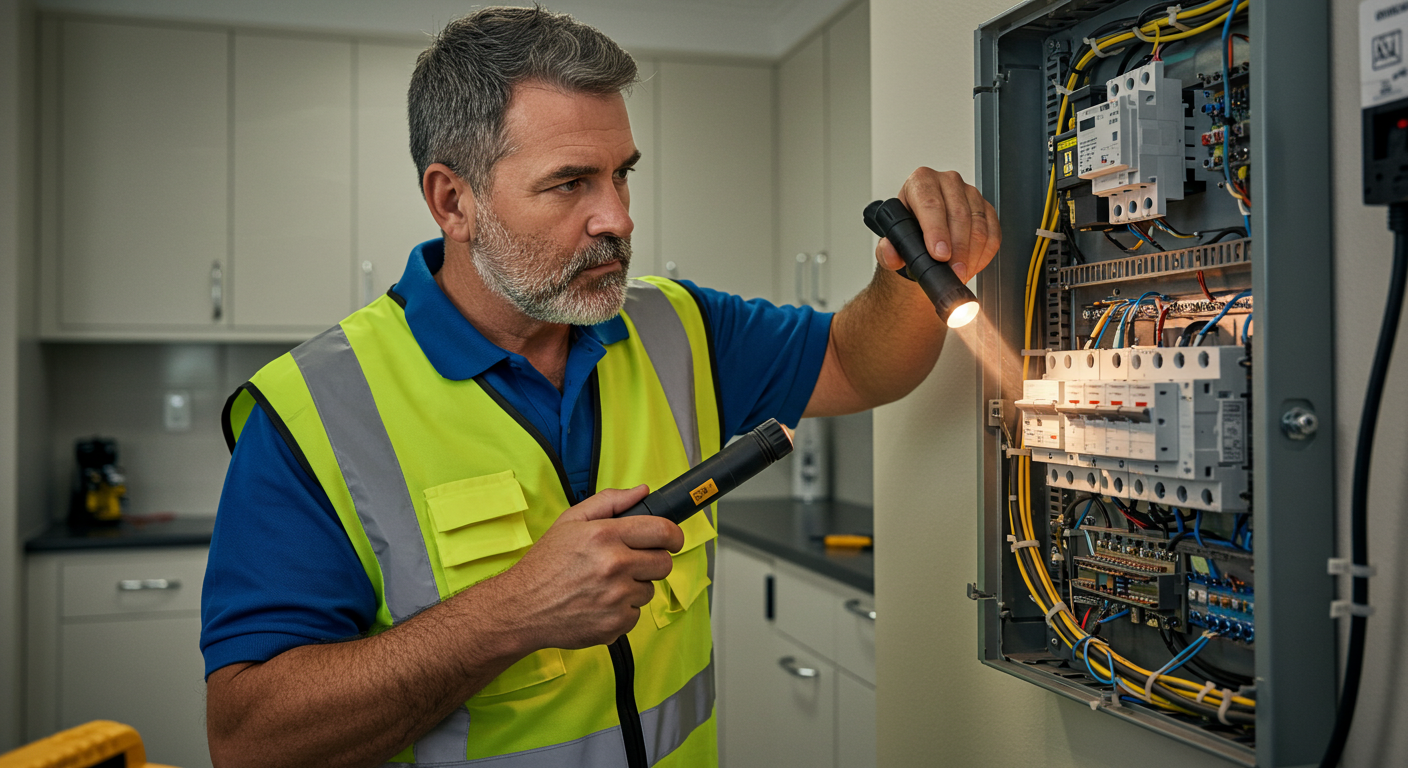
- Scorch marks around the fuse box
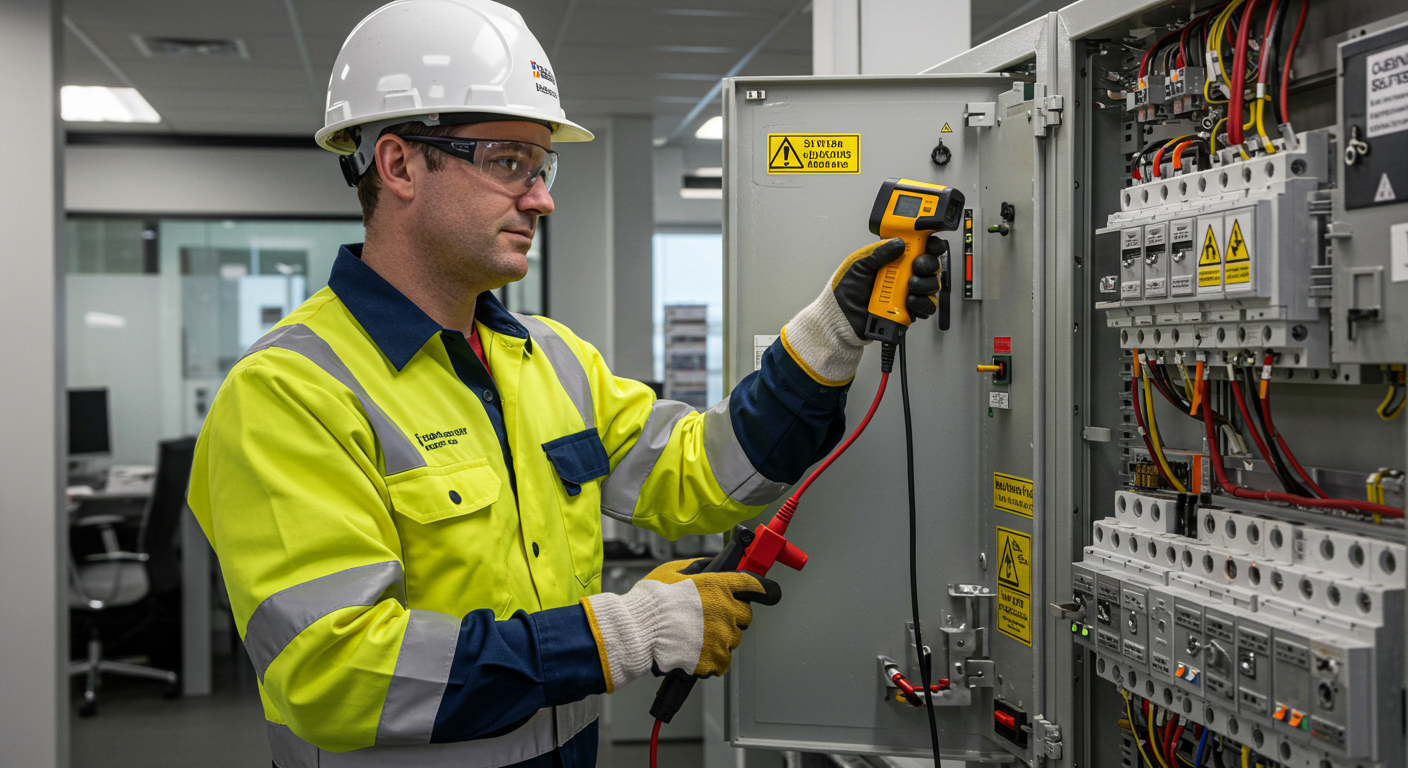
If you're experiencing these issues, it's time to have a licensed electrician assess your electrical system's capacity and safety.
2. Discoloured or Warm Power Points and Light Switches
Take a moment to inspect your power points and light switches throughout your home. Do any have brown or black discolouration around them? Do they feel warm to the touch? These are serious old wiring signs that shouldn't be ignored.
Discolouration typically indicates arcing—when electricity jumps across gaps in deteriorated wiring connections. This generates heat that can scorch the surrounding plastic and, in worst-case scenarios, ignite nearby materials. Similarly, power points that feel warm when you touch them (even when appliances aren't plugged in) suggest loose connections or damaged wiring behind the wall.
Additional red flags include:
- Power points that spark when plugging in appliances
- Switches that feel hot after being on for a while
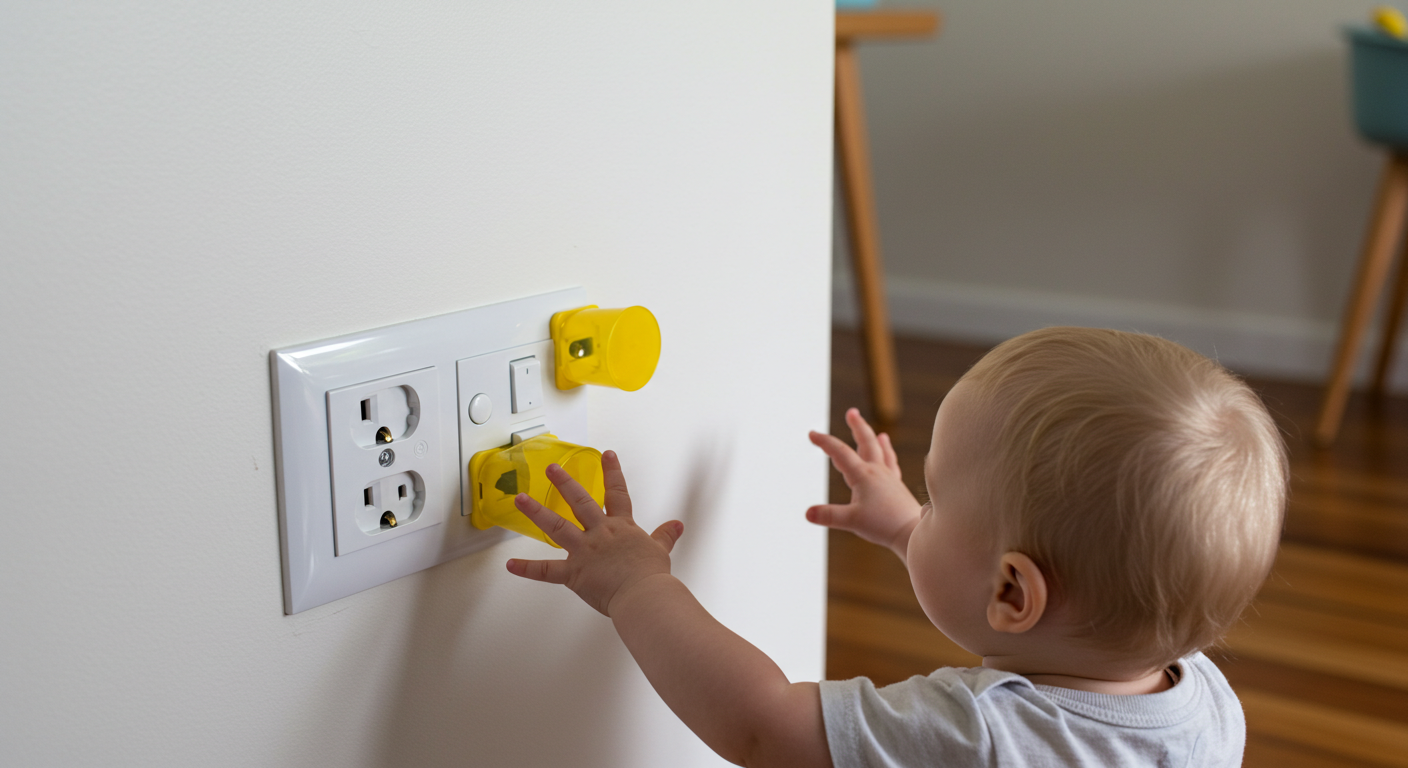
- Cracked or broken outlet covers
- Outlets that don't grip plugs firmly
These issues require immediate professional attention. Don't attempt DIY repairs on electrical outlets—this work must be performed by a qualified electrician to meet Australian standards. For more detailed guidance on identifying electrical hazards in your home, check out our comprehensive guide on how to spot faulty wiring and keep homes safe.
3. Persistent Burning Smells or Unusual Odours
Your nose knows when something's wrong. If you notice a burning smell—particularly a fishy or acrid odour—near outlets, switches, or your electrical panel, this is one of the most alarming old wiring signs you can encounter.
Burning smells often indicate that wire insulation is melting due to overheating. This can be caused by deteriorated wiring, loose connections, or circuits carrying more current than they're designed to handle. In Australian homes, particularly those in humid coastal areas or tropical regions, old wiring insulation can degrade faster due to moisture exposure and temperature fluctuations.
According to research from the CSIRO, electrical faults cause approximately 10,000 house fires in Australia each year, with faulty wiring being a leading contributor. Many of these fires could be prevented through early identification and repair of ageing electrical systems.
Take immediate action if you:
- Smell burning plastic or rubber near electrical fixtures
- Notice the odour intensifies when certain appliances are in use
- Detect unusual smells near walls where wiring runs
- Experience any smell accompanied by smoke or visible sparks
In these situations, switch off power at the main switchboard and contact an emergency electrician immediately.
4. Aluminium Wiring or Fabric-Insulated Cables
If your home was built between the mid-1960s and late 1970s, there's a chance it may contain aluminium wiring rather than copper. While aluminium wiring was a cost-effective solution during the copper shortage of that era, it's now recognised as a significant fire hazard due to its tendency to oxidise and create loose connections over time.
Even more concerning is finding fabric-insulated wiring (also called "rubber" wiring), which was common in homes built before the 1950s. This type of wiring has a fabric or rubber coating that becomes brittle and crumbles with age, leaving live wires exposed within your walls.
How to identify old wiring types:
- Check your switchboard or any exposed wiring in the roof space
- Aluminium wiring appears silver or grey, while copper is brown or orange
- Fabric-insulated wiring has a cloth-like exterior covering
- If your home is over 40 years old and hasn't been rewired, it likely needs inspection
At Legacy Trade Services, our experienced electricians understand the unique challenges of Australian homes, from Queensland's tropical conditions to the legacy of our building booms.
We're committed to delivering quality electrical solutions that protect your family and stand the test of time. Whether you need a comprehensive electrical risk assessment or complete rewiring services, we're here to help you create a safer home."
5. Flickering or Dimming Lights
We've all experienced the occasional light flicker during a storm, but if your lights regularly dim when you start appliances or flicker without apparent cause, you're seeing classic old wiring signs that demand attention.
Light flickering can indicate several problems: loose connections, deteriorating wiring, or circuits that are overloaded. In Australian homes with older wiring systems, the problem often worsens during summer when air conditioning puts additional strain on the electrical system.
Distinguish between normal and concerning flickering:
- Normal: Brief flicker when large appliances (like fridges) cycle on
- Concerning: Lights that dim noticeably when the air conditioner starts
- Concerning: Random flickering in multiple rooms
- Concerning: Persistent dimming that doesn't resolve itself
It's worth noting that some flickering can be caused by issues with your power company's supply rather than your home wiring. However, only a qualified electrician can determine the source of the problem and whether your wiring needs updating.
Protect Your Home and Family
Recognising these old wiring signs early can prevent electrical fires, protect your valuable appliances, and give you peace of mind. If you've identified one or more of these warning signs in your home, don't wait—electrical problems only worsen over time.
At Legacy Trade Services, our experienced electricians understand the unique challenges of Australian homes, from Queensland's tropical conditions to the legacy of our building booms. We're committed to delivering quality electrical solutions that protect your family and stand the test of time. Whether you need a comprehensive electrical safety inspection or complete rewiring services, we're here to help you create a safer home.
Contact us today or call us through
0403 523 451 for a professional electrical assessment and discover why Australian homeowners trust Legacy Trade Services for all their electrical needs.